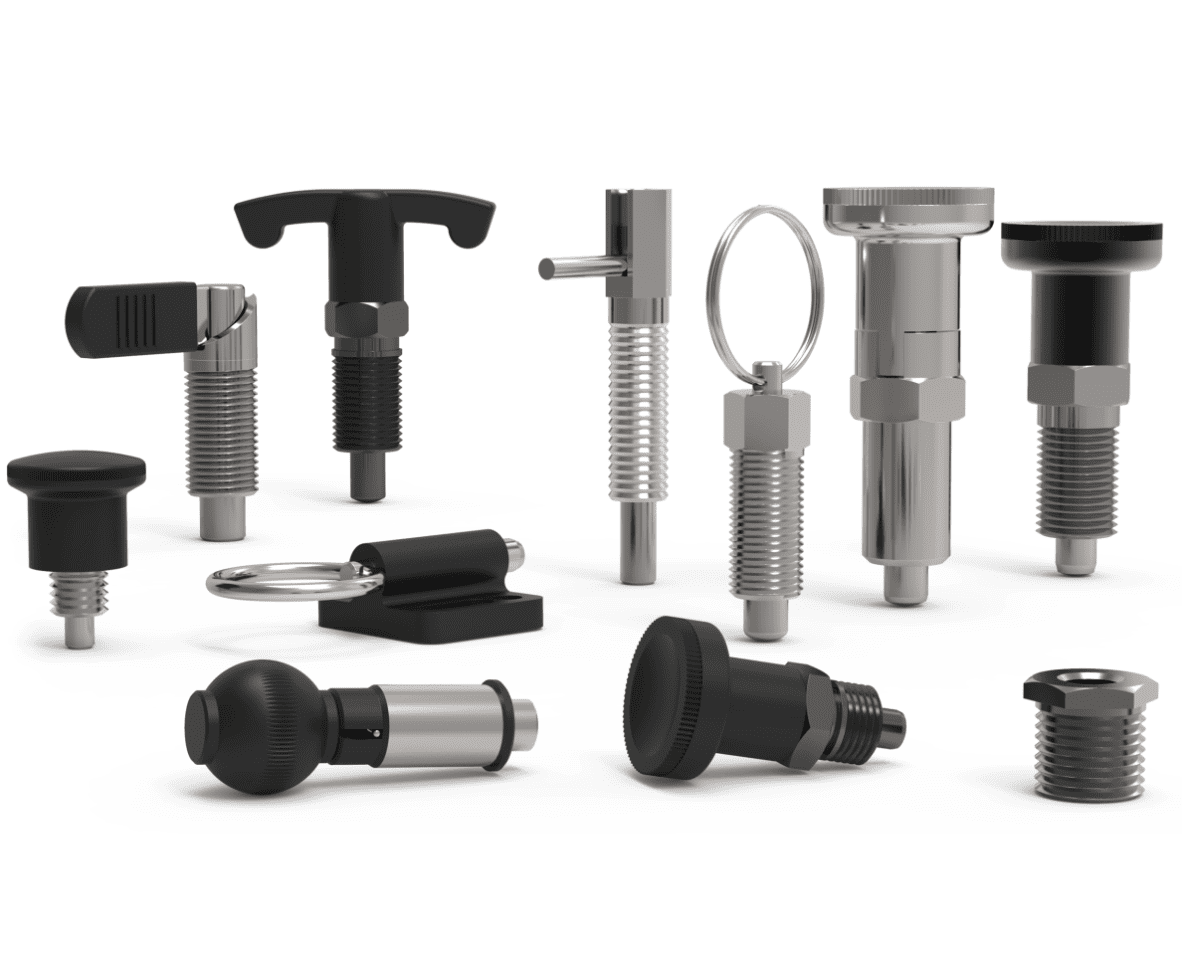
Custom Indexing Plunger Selection Framework
Back in October 2024 I got pulled into a fixturing problem at an automated welding cell builder. Their rotary tables were shifting mid-cycle and they were scrapping parts by the bin. Catalog M12 indexing plungers, stainless pins, the usual setup. The welding robot was throwing roughly 1,200 N of lateral load into each index position and the pins were taking a permanent set because there was a 0.3mm tolerance gap between the pin and the receiving bushing. Once a pin bends even a few thou, you’re done — it’ll bind on retraction every cycle after that. Their stopgap was machining one-off 4140 pins in-house at $142 a unit, which is the kind of number you only see when a CNC supervisor is doing favors for a desperate engineer. That wasn’t sustainable. It took three weeks of RFQ ping-pong with spring-loaded device (SLD) shops before we landed on a custom plunger that actually held up. If you’re reading this you know what an indexing plunger is, so I’ll skip the definitions. What this guide is actually about: when catalog parts fail, how to spec the tolerances you actually need, and how to source custom units without getting buried in tooling costs and
The Complete Guide To Indexing Plunger
An indexing plunger is a spring-loaded mechanical device that locks components in precise positions and allows controlled movement between set locations. These simple but essential tools show up in manufacturing equipment, jigs, fixtures, and machinery where parts need to stop at exact spots. They work by using a spring-loaded pin that pops into detents or holes to hold position. Indexing plungers let you position and hold parts accurately without needing external locks or complex mechanisms. You push the plunger down to release it, move your part to the next position, and let go so it locks into place again. This makes them perfect for repetitive tasks where you need the same positioning every time. Understanding the different types and how to choose the right one can save you time and prevent equipment problems. The design, material, and style all affect how well an indexing plunger works for your specific needs. Key Takeaways Indexing plungers are spring-loaded pins that lock parts into precise positions for accurate and repeatable placement Different types and materials are available to match your specific application requirements and environmental conditions Proper selection based on load capacity, mounting style, and operating environment ensures reliable long-term performance Understanding Indexing
Top 10 Indexing Plunger Suppliers In The USA
Indexing plungers play a critical role in various industrial applications, from machinery and equipment to automotive and aerospace. The USA, known for its robust industrial sector, hosts numerous reputable suppliers specializing in these components. This article provides a comprehensive guide to the top 10 indexing plunger suppliers in the USA, helping you make informed decisions for your business needs. What to Consider When Looking for Indexing Plunger Manufacturers? Choosing the right indexing plunger manufacturer is crucial for ensuring product quality and operational efficiency. Here are some key considerations: Product Quality: Ensure the manufacturer uses high-quality materials and advanced manufacturing processes to produce reliable and durable indexing plungers. Certifications: Look for suppliers with relevant certifications, such as ISO 9001, which indicate adherence to international quality standards. Production Capacity: Assess whether the manufacturer can meet your volume requirements, both for current needs and potential future expansion. Lead Times: Consider the manufacturer’s ability to deliver products within your required timelines to avoid production delays. Pricing Transparency: Transparent pricing structures help you understand what you’re paying for and ensure there are no hidden costs. How to Verify a Reliable Indexing Plunger Supplier? Ensuring the reliability of your indexing plunger supplier is essential. Here are
How To Choose The Best Indexing Plunger?
An indexing plunger is a spring-loaded mechanical device used to precisely lock, position, or index movable parts. Choosing the right one depends on your specific application needs, considering factors like load capacity, materials, and operating environment. What is an Indexing Plunger? Indexing plungers are essential components in various mechanical applications. They provide a quick, reliable, and repeatable method for positioning and securing parts. They typically consist of a plunger body, a spring mechanism, and an actuator. Components of an Indexing Plunger Plunger Body: Often threaded for easy installation, the body houses the internal components. Spring Mechanism: This provides the force to extend the locating pin. Actuator: A knob, pull ring, or handle allows manual retraction of the pin. Key Factors to Consider When Selecting an Indexing Plunger Choosing the best indexing plunger involves careful consideration of several factors to ensure optimal performance and longevity. 1. Load Capacity and Holding Force The primary function of an indexing plunger is to secure parts in a specific position. Therefore, the holding force is a critical specification. Determine the Required Force: Calculate the forces the plunger will need to withstand, including static and dynamic loads. Consider factors like vibration and impact. Check the Plunger’s Specifications: Review the manufacturer’s specifications