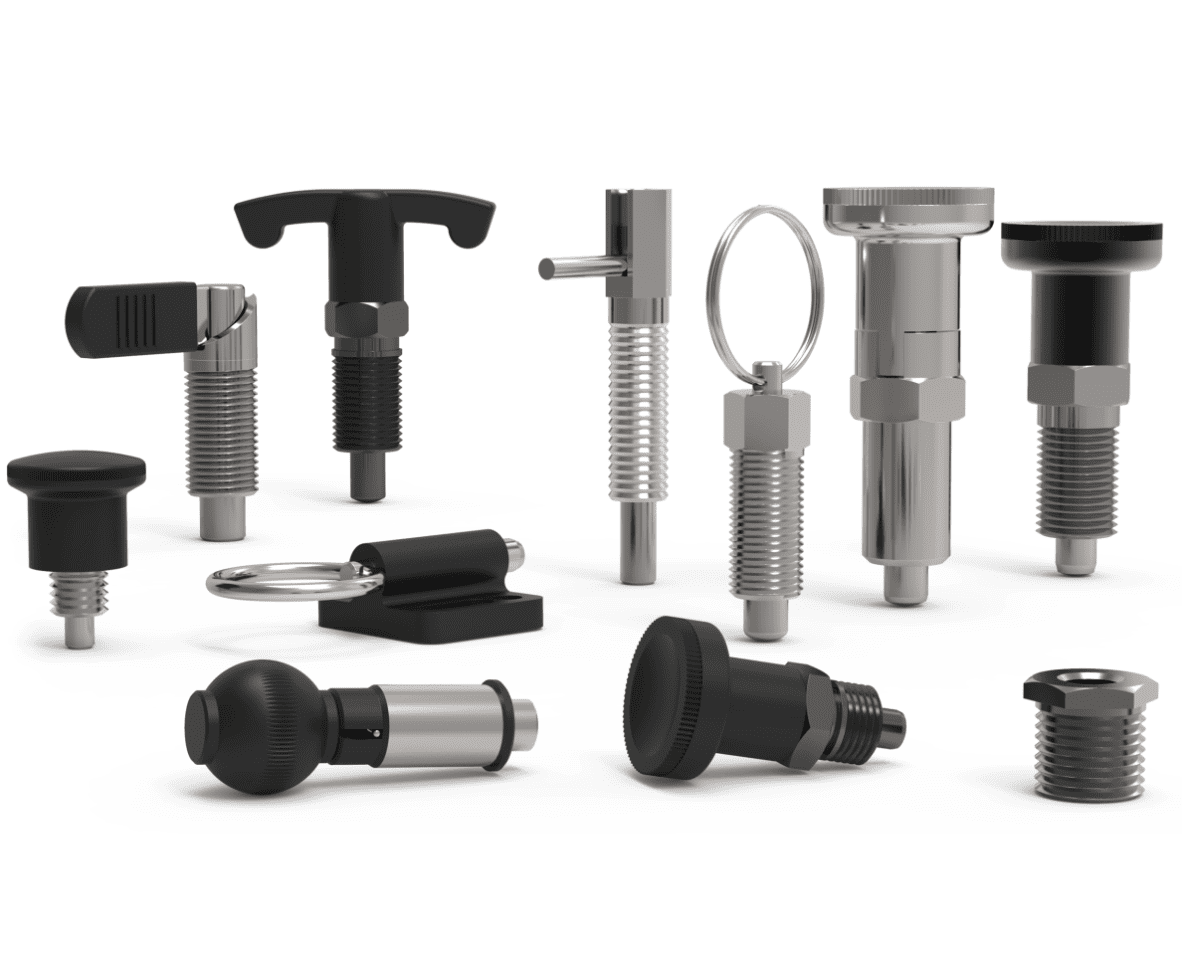
An indexing plunger is a spring-loaded mechanical device used to precisely lock, position, or index movable parts. Choosing the right one depends on your specific application needs, considering factors like load capacity, materials, and operating environment.
What is an Indexing Plunger?
Indexing plungers are essential components in various mechanical applications. They provide a quick, reliable, and repeatable method for positioning and securing parts. They typically consist of a plunger body, a spring mechanism, and an actuator.
Components of an Indexing Plunger
- Plunger Body: Often threaded for easy installation, the body houses the internal components.
- Spring Mechanism: This provides the force to extend the locating pin.
- Actuator: A knob, pull ring, or handle allows manual retraction of the pin.
Key Factors to Consider When Selecting an Indexing Plunger
Choosing the best indexing plunger involves careful consideration of several factors to ensure optimal performance and longevity.
1. Load Capacity and Holding Force
The primary function of an indexing plunger is to secure parts in a specific position. Therefore, the holding force is a critical specification.
- Determine the Required Force: Calculate the forces the plunger will need to withstand, including static and dynamic loads. Consider factors like vibration and impact.
- Check the Plunger’s Specifications: Review the manufacturer’s specifications to ensure the plunger’s holding force meets or exceeds your requirements.
2. Material Selection
The material of the indexing plunger significantly impacts its durability, corrosion resistance, and suitability for different environments.
- Body and Pin Materials:
- Steel: Offers high strength and is suitable for most applications.
- Stainless Steel: Provides excellent corrosion resistance, making it ideal for harsh environments or applications requiring frequent cleaning.
- Handle Materials:
- Plastic: Offers ergonomic benefits and is often used for the handle.
- Metal: Provides greater durability and is suitable for demanding applications.
3. Actuation Style
The method of actuating the plunger can influence ease of use and suitability for your application.
- Hand-Retractable: The most common type, offering simple, manual operation.
- Locking Types: These plungers have a mechanism to hold the pin in the retracted position, preventing accidental re-engagement.
- Cam-Operated: Suitable for automated systems where the plunger is actuated by a cam.
- Remote Actuation: Designed for applications where the plunger needs to be operated remotely.
4. Size and Mounting Options
The size and mounting options of the indexing plunger must align with the available space and the design of your application.
- Threaded vs. Smooth Body: Threaded bodies are common for easy mounting, while smooth bodies may be suitable for press-fit applications.
- Thread Size and Length: Ensure the thread size and length match the mounting hole in your equipment.
- Overall Dimensions: Verify the plunger’s overall dimensions fit within the space constraints of your design.
5. Environmental Considerations
The operating environment can affect the performance and lifespan of the indexing plunger.
- Temperature: Consider the operating temperature range and select materials accordingly.
- Corrosion Resistance: If the application involves exposure to moisture, chemicals, or other corrosive elements, choose stainless steel or other corrosion-resistant materials.
- Vibration and Shock: For applications with high vibration or shock loads, choose a plunger with robust construction and a high holding force.
6. Precision and Repeatability
Indexing plungers are often used for precise positioning.
- Tolerance: Check the manufacturer’s specifications for positional tolerance to ensure it meets your requirements.
- Repeatability: Look for plungers designed for high repeatability, ensuring consistent and accurate positioning over time.
Applications of Indexing Plungers
Indexing plungers are used across a wide range of industries and applications.
- Manufacturing: Used in work-holding fixtures, machine guards, and adjustable assemblies.
- Aerospace: Used in aircraft components and systems.
- Automotive: Used in seat adjustments and other adjustable mechanisms.
- Medical Devices: Used in equipment requiring precise positioning and locking.
Conclusion
Choosing the best indexing plunger requires careful evaluation of your application’s specific needs. By considering factors like load capacity, materials, actuation style, size, environmental conditions, precision, and repeatability, you can select a plunger that provides reliable, accurate, and long-lasting performance. For further information and product selection, consult with a reputable supplier like us.